Weddington Guardianship Attorney
Assisting Clients With Guardianship Matters in North Carolina
When you start thinking about guardianship, it is usually because you are deeply worried about someone you love. You may be seeing signs of dementia in a parent, caring for an adult child with disabilities, or stepping in for a grandchild whose parents cannot safely care for them. In these moments, the law can feel confusing and overwhelming.
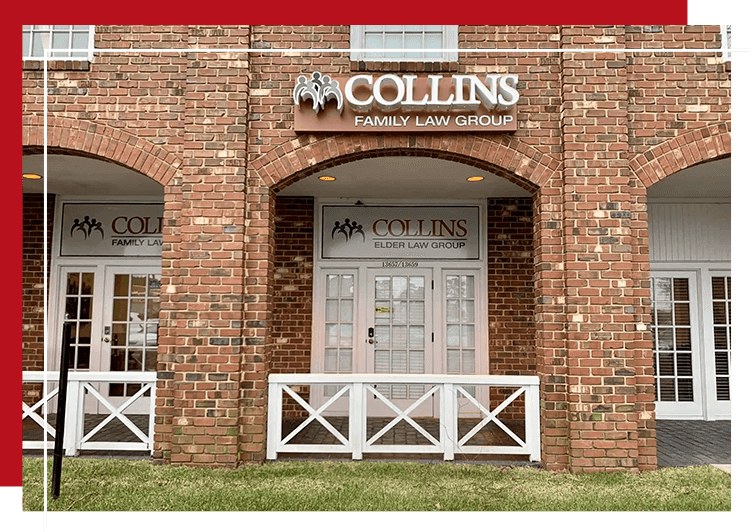
At Collins Family & Elder Law Group, we help families in and around Weddington, NC, understand whether guardianship is the right step and, if so, how to move forward with care. Our attorneys bring together family law and elder law experience to address both the legal process and the human side of these decisions.
Our team has over 350 years of collective legal experience, and we offer phone and video consultations so you can talk with us in the way that works best for your family.
Call us today at (704) 396-4011 or contact us online to schedule a consultation with our guardianship lawyer in Weddington.
Why Choose Us?
Guardianship cases are rarely simple. They often involve complex medical questions, family conflict, and long-standing worries about safety, finances, and dignity. Families who come to us are looking for more than legal forms. They want a calm, capable team that will listen carefully, explain options, and stand beside them if a hearing becomes contested.
At Collins Family & Elder Law Group, our attorneys draw on more than two centuries of combined experience in North and South Carolina family and elder law. Our firm includes Candace S. Faircloth, a North Carolina Board Certified Family Law Specialist since 2020. Board certification signals that a lawyer has met rigorous standards in training and practice in family law, which can be especially valuable when guardianship involves issues such as custody, parental rights, or complex family relationships.
Several of our attorneys have been consistently recognized by independent rating organizations. For example, Isla Tabrizi and Candace Faircloth have been named Rising Stars and featured in Legal Elite listings, and Jennifer Rodrigue has received Super Lawyers recognition and other honors. Founding attorney Shawna Collins has been licensed in North Carolina since 1995 and is peer reviewed by Martindale-Hubbell. These recognitions reflect how our peers view our work and help reassure clients that they are placing sensitive matters in capable hands.
Families also choose our firm because we handle elder law matters that often arise alongside guardianship. We assist with estate administration, Medicaid planning, and special needs planning, helping you think beyond the hearing and consider how to support your loved one over the long term.
Understanding Guardianship In North Carolina
Before filing anything in court, most families want to know what guardianship actually means. In North Carolina, guardianship is a legal relationship created by the court when a person is found to be incompetent, which generally means they cannot manage their affairs or make essential decisions safely. The court then appoints a guardian to make certain decisions for that person.
There are different types of guardianship. A guardian of the person makes decisions about daily care, medical treatment, and living arrangements. A guardian of the estate manages money and property. A general guardian handles both. In some cases, the court can create a limited guardianship that only covers specific areas where help is needed, such as managing finances while leaving other choices intact.
Guardianship is different from tools like financial powers of attorney, health care powers of attorney, or trusts. Those documents are often signed in advance while a person still has capacity. Guardianship is usually considered when no valid planning documents exist or when existing documents are not enough to keep a vulnerable person safe. Our attorneys work with families to compare these options and avoid taking away more rights than necessary.
Many families in this community consider guardianship after a series of troubling events, such as repeated falls, unpaid bills, aggressive new "friends" influencing financial decisions, or a sudden mental health crisis. Others contact us when an adult child with developmental disabilities is turning eighteen and will no longer be under parental authority automatically.
Common reasons families pursue guardianship include:
- Progressive memory loss or dementia affecting an older adult’s safety.
- An adult child with developmental disabilities reaching age eighteen.
- A loved one is being exploited financially or pressured by others.
- Parents who are deceased, absent, or unable to care for a child.
- Serious mental illness that prevents a person from managing essential needs.
The Guardianship Process
The guardianship process in North Carolina is structured, but can feel intimidating without guidance. For residents of Weddington, petitions are generally filed with the Union County Clerk of Superior Court, and hearings are often held at the Union County courthouse. Our attorneys help you prepare for each stage so you are not facing it alone.
It usually begins with a consultation where we learn about your loved one’s condition, living situation, existing legal documents, and family dynamics. If guardianship appears appropriate, we work with you to gather medical records, financial information, and other documentation that may help the court understand your concerns. We then prepare and file a petition asking the clerk to determine whether your loved one is competent and, if not, to appoint a guardian.
After filing, the court typically appoints a guardian ad litem or another representative to investigate the situation and make recommendations. Required relatives and interested parties must be notified, which can be sensitive in families where there is disagreement. A hearing is then scheduled, during which the clerk hears testimony and reviews evidence regarding capacity, needs, and potential guardians.
The court generally considers medical evidence, descriptions of daily functioning, and the proposed guardian’s ability to serve. Our role includes helping you present information clearly and respectfully, so the clerk can see both the risks your loved one faces and the ways you propose to keep them as independent as safely possible.
Key stages in a typical guardianship case:
- Initial meeting to understand your family’s situation and goals.
- Collecting records and statements that document capacity concerns.
- Preparing and filing the petition in Union County court.
- Notifying required relatives and scheduling the hearing.
- Attending the hearing and assisting you in presenting information to the clerk.
- Handling follow-up steps after the appointment, such as inventories and reports.
Timelines vary based on the court’s schedule, the complexity of the case, and whether anyone contests the petition. Our team works to keep you informed about what to expect and to prepare you for the practical steps after a guardian is appointed, such as required filings with the clerk of the superior court.
Contact Our Weddington Guardianship Lawyer Today
Frequently Asked Questions
How do I know if my loved one really needs guardianship?
Guardianship may be appropriate when your loved one cannot safely manage essential decisions, even with help. We look at medical information, daily functioning, and any existing planning documents. During a consultation, we discuss alternatives like powers of attorney so you do not restrict rights more than necessary.
Will guardianship take away all of my loved one’s rights?
No, guardianship does not automatically remove every right. North Carolina courts aim to limit rights only as needed and can create limited or tailored arrangements. We help you request a structure that protects your loved one while preserving as much independence as safely possible.
How long does a guardianship case usually take?
Timing depends on the court’s schedule, how complex the situation is, and whether anyone objects. Some uncontested cases move more quickly, while contested matters can take longer. During our initial meetings, we discuss typical time frames in Union County so you can plan realistically.

Weddington, NC 28104


Our Satisfied Clients
-
"I could never tell you how much I appreciate what you have done for me"Emiline Northcut
-
"Your professionalism, compassion, and dedication are truly commendable. I am truly fortunate to have had you as my attorney."Rusty Strawn and Family
-
"Shayna Matheny is incredibly amazing. She went above and beyond to help me in a very complicated case. She worked earnestly and did not give up the fight to get my kids and me the best outcome."Cecia Villalta

Meet Our Team
-
 Shawna Collins Founder
 -
Isla Tabrizi Partner & Chief of Legal Development
-
Candace S. Faircloth Partner & Chief of Trial Strategy
-
Jennifer Rodrigue Partner & the Regional Director of Lowcountry
-
Melinda Taylor Partner
-
Kathryn Cook DeAngelo Senior Counsel
-
Amber R. Morris Senior Attorney
-
Kristen Leonard Managing Attorney
-
Madison Woschkolup Managing Attorney
-
Shayna Matheny Managing Attorney
-
Nancy Roberts Attorney at Law
-
Ali Miller Attorney at Law
-
Monica Schuring Attorney at Law
-
Stephanie Smith Attorney at Law
-
Spencer Schold Attorney at Law
-
Christine Robbins Attorney at Law
-
Alexa Litt Attorney at Law
-
Chelsea Josey Attorney at Law
-
Kaitlyn Yost Attorney at Law
-
Tabitha Alcott Attorney at Law
-
Mikaila Matt Attorney at Law
-
Patti Tutone Attorney at Law
-
Lauren Riedy Attorney at Law
-
Paulina Havelka Attorney at Law
-
Peyton Staab Attorney at Law
-
Meredith Jolin Attorney at Law
-
Ann-Marie Murzin Attorney at Law
-
Savanna Kimble Earles Attorney at Law
-
Nicole Jackson Attorney at Law
-
Lucy Pannes Attorney at Law


.2407050835546.jpg)