Weddington Trust Attorney
Assisting Clients With Trust Matters in North Carolina
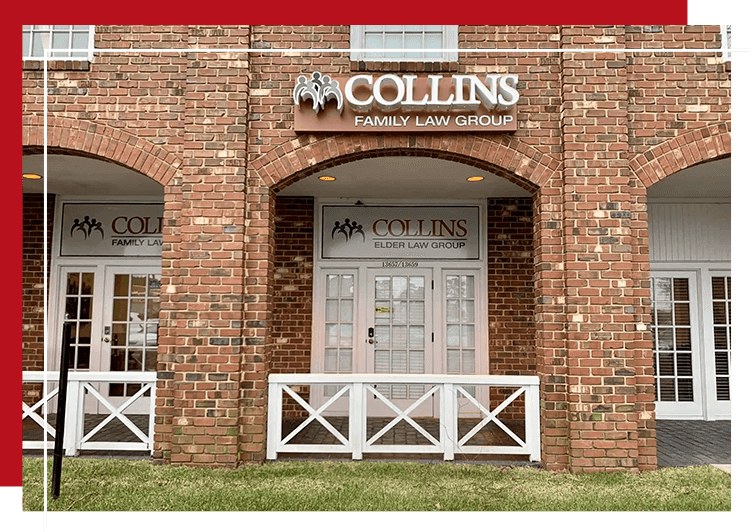
When you start thinking about how to protect your home, savings, and family, the choices can feel overwhelming. A well-designed trust can bring clarity and peace of mind, but only if it is built around your real life, not a one-size-fits-all template. Our team at Collins Family & Elder Law Group works with individuals and families in this part of North Carolina to create trusts that reflect their values and long-term goals.
Collins Family & Elder Law Group brings together more than 350 years of collective family and elder law experience across North and South Carolina. Our attorneys guide clients through complex decisions every day, and we work to explain options in clear language so you can make confident choices about your trust planning.
Call us today at (704) 396-4011 or contact us online to schedule a consultation with our trust lawyer in Weddington.
Why Choose Us?
Types of Trusts
Different families need different kinds of trusts. Part of our work is helping you understand what is available under North Carolina law and how each option might fit your goals. We usually begin with a conversation about what you want to accomplish, then explain which trust structures might support those outcomes.
Revocable Living Trusts
A revocable living trust is one of the most common tools we discuss. With this type of trust, you typically remain in control of the assets during your lifetime and can change or revoke the trust as circumstances change. Many clients use a revocable trust to help assets pass outside of probate and to make it easier for a trusted person to step in and manage finances if they become ill or incapacitated. This kind of planning can be especially helpful for Weddington homeowners who want a smooth transition of their residence to children or other beneficiaries.
Irrevocable Trusts & Asset Protection
Irrevocable trusts can be useful when clients have goals such as long-term asset protection or certain types of Medicaid and long-term care planning. Because these trusts generally cannot be changed easily after they are created, the decision to use one requires careful discussion. We talk about factors such as your age, health, family support network, and the types of assets involved, so you understand both the advantages and the limits of this approach.
Trusts for Children & Loved Ones With Special Needs
For families with a loved one who has a disability or receives needs-based public benefits, we often explore supplemental needs or special needs trusts. These structures can allow a trustee to use funds to enhance the beneficiary’s quality of life while aiming to preserve eligibility for programs that may provide essential medical or income support. Our elder law experience helps us explain how this type of planning fits into the larger picture of care and support for that family member.
How Our Trust Planning Process Works
Uncertainty about the process keeps many people from starting their trust planning. We work to make each step clear, so you know what to expect from the first call through final signatures and beyond. Our goal is to move at a pace that feels comfortable while keeping your planning moving forward.
Your First Conversation With Our Team
During the initial consultation, which can be by phone, video, or in person, we talk about your family, your assets, and your priorities. We may ask about real estate, retirement accounts, life insurance, business interests, and any particular concerns you have about specific family members. You do not need to have all documents organized before we speak, but having a general list of what you own and who depends on you can make the conversation more productive.
Designing & Finalizing Your Trust Plan
After we understand your goals, our attorneys outline options for a trust-based plan, often including related documents such as a will, financial power of attorney, and health care documents. We explain how each piece works together and how a trustee would carry out their responsibilities. Once you are comfortable with the approach, we prepare draft documents and review them with you in detail, making sure you understand the language and asking for your feedback on any changes.
Funding Your Trust & Ongoing Support
Another key step is making sure your trust is properly connected to your assets. This can involve retitling certain accounts or property into the name of the trust and confirming that beneficiary designations on items like life insurance align with your plan. We provide guidance on these steps and encourage you to reach out with questions, even after documents are signed. Trust planning is not a one-time event, and we remain available to help you adjust your plan as life unfolds.
Frequently Asked Questions
Do I Really Need a Trust If I Already Have a Will?
A will and a trust serve related but different roles, and many people benefit from having both. A will allows you to name an executor, appoint guardians for minor children, and direct how property should pass through the probate process. A trust, on the other hand, can hold assets during your lifetime and provide instructions for how those assets are managed and distributed, often without going through probate for those specific items.
In North Carolina, a trust can help your family avoid certain delays and public filings that are part of probate, and it can offer more detailed control over when and how beneficiaries receive funds. Whether you need a trust depends on your assets, your goals, and your family situation. During a consultation, we review those factors with you and explain whether a trust-based plan is likely to add real value beyond what a will alone can provide.
What Kind of Trust Should I Set Up for My Family?
The right type of trust depends on what you want to accomplish, rather than on a label. Some families in this area are best served by a revocable living trust that focuses on probate avoidance and smooth management if they become ill. Others have goals that point toward an irrevocable trust, such as protecting certain assets or planning around long-term care costs.
We also see many situations where a testamentary trust inside a will, a special needs trust, or a trust designed for minor children is the most appropriate tool. Our attorneys start by listening to your priorities, asking questions about your family dynamics, and reviewing your overall financial picture. Then we discuss which structures North Carolina law makes available, how those options would work in your case, and what tradeoffs each might involve.
Can You Help With a Trust That Protects a Child With Special Needs?
We regularly work with families who are planning for a child or adult relative with special needs. In many of these cases, a supplemental needs or special needs trust can be an important part of the overall plan. This type of trust allows you to set aside resources that a trustee can use to improve the person’s quality of life while aiming to keep them eligible for needs-based public programs that may provide essential medical or income support.
The specific rules around benefits are complex and can change over time. During our planning process, we explain how special needs trusts typically interact with common programs and what responsibilities a trustee would have. Our goal is to help you build a structure that reflects your loved one’s unique needs and gives you more confidence about their future care, while being clear that no plan can control every eventuality.
How Often Should I Review or Update My Trust?
We generally suggest reviewing your trust and related documents when you experience a major life change or every few years, whichever comes first. Events such as marriage, divorce, the birth or adoption of a child, a significant change in assets, or a move between states are common triggers for an update. Changes in relationships with trustees or beneficiaries can also be a good reason to revisit your plan.
Even if nothing dramatic has changed, laws evolve over time, and it can be useful to confirm that your documents still reflect both your wishes and current requirements. Our team is available to review existing trusts, whether we drafted them or not, and to suggest updates when they would add value. We aim to act as long-term advisors, not just one-time document preparers.
Contact Our Trust Attorney in Weddington Today
Creating or updating a trust is one of the most meaningful steps you can take to protect your family and give them clear guidance for the future. Whether you are just starting to think about planning or you already have documents that no longer match your life, our attorneys are ready to listen and help you understand your options. Working with a trust lawyer in Weddington who understands both family law and elder law issues can make a significant difference in how well your plan serves the people you care about.
When you contact Collins Family & Elder Law Group, you can expect a professional yet approachable conversation about your goals, your concerns, and the practical steps involved in trust planning. We offer phone and video consultations to make getting started easier, and we strive to explain each stage of the process clearly so you can move forward with confidence.
Contact us today to get started with our Weddington trust attorney.

Weddington, NC 28104


Our Satisfied Clients
-
"I could never tell you how much I appreciate what you have done for me"Emiline Northcut
-
"Your professionalism, compassion, and dedication are truly commendable. I am truly fortunate to have had you as my attorney."Rusty Strawn and Family
-
"Shayna Matheny is incredibly amazing. She went above and beyond to help me in a very complicated case. She worked earnestly and did not give up the fight to get my kids and me the best outcome."Cecia Villalta

Meet Our Team
-
 Shawna Collins Founder
 -
Isla Tabrizi Partner & Chief of Legal Development
-
Candace S. Faircloth Partner & Chief of Trial Strategy
-
Jennifer Rodrigue Partner & the Regional Director of Lowcountry
-
Melinda Taylor Partner
-
Kathryn Cook DeAngelo Senior Counsel
-
Amber R. Morris Senior Attorney
-
Kristen Leonard Managing Attorney
-
Madison Woschkolup Managing Attorney
-
Shayna Matheny Managing Attorney
-
Nancy Roberts Attorney at Law
-
Ali Miller Attorney at Law
-
Monica Schuring Attorney at Law
-
Stephanie Smith Attorney at Law
-
Spencer Schold Attorney at Law
-
Christine Robbins Attorney at Law
-
Alexa Litt Attorney at Law
-
Chelsea Josey Attorney at Law
-
Kaitlyn Yost Attorney at Law
-
Tabitha Alcott Attorney at Law
-
Mikaila Matt Attorney at Law
-
Patti Tutone Attorney at Law
-
Lauren Riedy Attorney at Law
-
Paulina Havelka Attorney at Law
-
Peyton Staab Attorney at Law
-
Meredith Jolin Attorney at Law
-
Ann-Marie Murzin Attorney at Law
-
Savanna Kimble Earles Attorney at Law
-
Nicole Jackson Attorney at Law
-
Lucy Pannes Attorney at Law
.2407050835546.jpg)